
Equitable DiscipLine praCtices
Learning Playlists > Equitable Discipline Practices
Equitable discipline practices are critical toward creating optimal conditions for all students to learn and be well. This curated playlist offers a collection of research, articles, practical frameworks, and videos designed to support the use of equitable discipline practices within your school community. These resources are intended to help educators and leaders cultivate a trauma-responsive, inclusive, and supportive environment where all students can thrive.
- Disrupting Disparities in School Discipline (article)

- 15 mins
Racial disparities in school discipline persist across all school contexts, and this 2024 Kappan article makes clear why: most discipline interventions fail to center race and racism as the root issue. The authors draw a critical distinction between race-evasive and race-conscious approaches to discipline, arguing that meaningful change requires naming and addressing the societal and cultural forces that shape educators’ responses to students of color.
- Creating Identity-Safe Schools and Classrooms (article)
- 8 mins
When students feel threatened, their brains cannot learn. This research report from the Learning Policy Institute draws on neuroscience and a growing body of education research to show how social identity threat, triggered by bias, low expectations, and exclusionary school cultures, directly impairs student performance and belonging. It offers school teams four concrete areas of practice for building identity-safe environments: promoting trust and interpersonal connection, creating communities of care, using restorative practices, and elevating diversity as a resource for learning.

- 15 mins
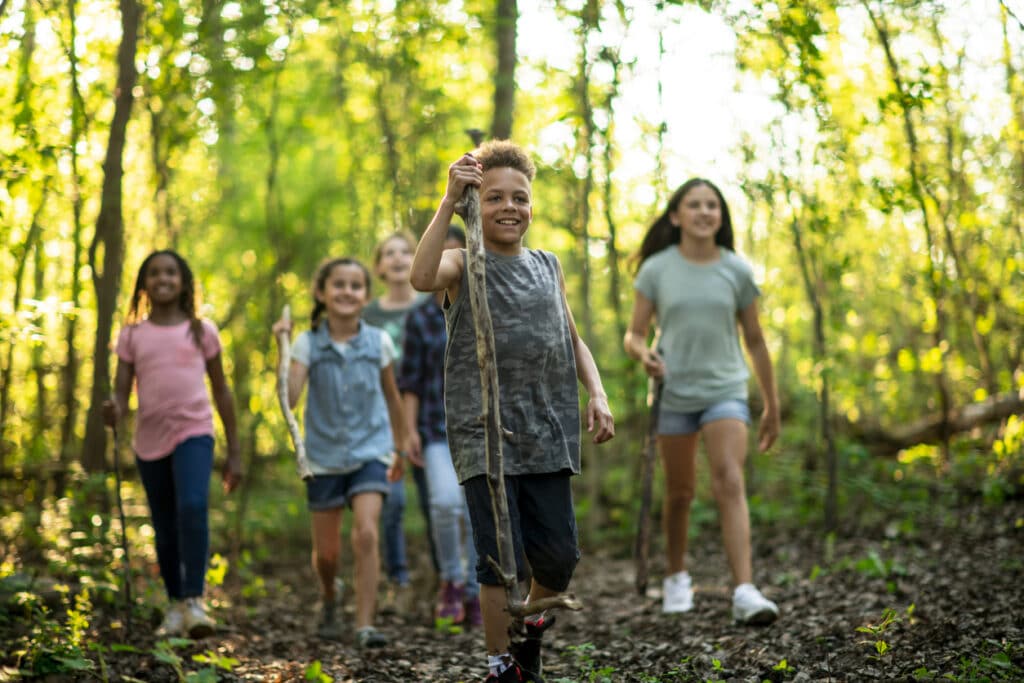
Punitive school discipline practices do not exist in a vacuum. This piece from Learning for Justice traces the historical roots of school discipline in the criminalization of Black people, connecting present-day suspension and expulsion practices directly to the school-to-prison pipeline. It centers the voices of educators and legal advocates who are actively working to replace punitive approaches with trauma-informed and restorative practices, and makes clear that this is not just a pedagogical choice but a moral one.
- 7 mins
A middle school reading teacher walks through how she uses Talking Circles not only for conflict resolution but as a weekly community-building practice and formative assessment tool. Practical and grounded in classroom experience, this piece offers educators a concrete starting point for understanding how circles work, what they require of the facilitator, and what becomes possible when students feel genuinely heard.
- The Building Equitable Learning Environments (BELE) Framework
- 25 mins
Transforming a school system built on inequity requires more than good intentions. The BELE Framework is a guide for co-designing learning environments in partnership with students, families, and communities, grounded in four pillars: equity and justice through targeted universalism; the science of learning and development; student-centered learning; and shared leadership. It is organized around seven Essential Actions that describe both what needs to change and how to change it, making it a useful planning anchor for school and district teams ready to move from aspiration to sustained practice.
- Revising School Discipline Policies and Procedures to Promote Equity (guide)
- 30 mins
This facilitation guide and accompanying work session materials are designed for district teams ready to examine and revise their discipline policies through an equity lens. Using a structured Discipline Policy and Procedures Summary, teams audit their current handbooks, codes of conduct, and board policies across nine research-based elements, from prevention focus and family involvement to alternatives to suspension and use of disaggregated data. A practical, structured tool for teams doing the hands-on policy revision.
- Why Black Girls are Targeted for Punishment at School -- and How to Change That (video)

- 12 mins
In this video author and scholar Monique W. Morris examines how discipline policies disproportionately push Black girls out of schools, restricting their futures and perpetuating systemic harm. Drawing from her research in Pushout: The Criminalization of Black Girls in Schools, she connects classroom-level decisions to broader systems of criminalization. The talk challenges school communities to build environments where Black girls can heal, belong, and thrive.
- Using PBIS to Ensure Racial Equity in School Discipline (video)
- 33 mins
This presentation from the Center on PBIS examines research showing that PBIS can reduce racial disproportionality in discipline, but only when implementation attends to sociocultural context, not just behavioral systems. Presenters offer specific strategies for embedding equity into PBIS frameworks, including how to use disaggregated discipline data. Teams actively examining their own data will find this a practical and grounded starting point.